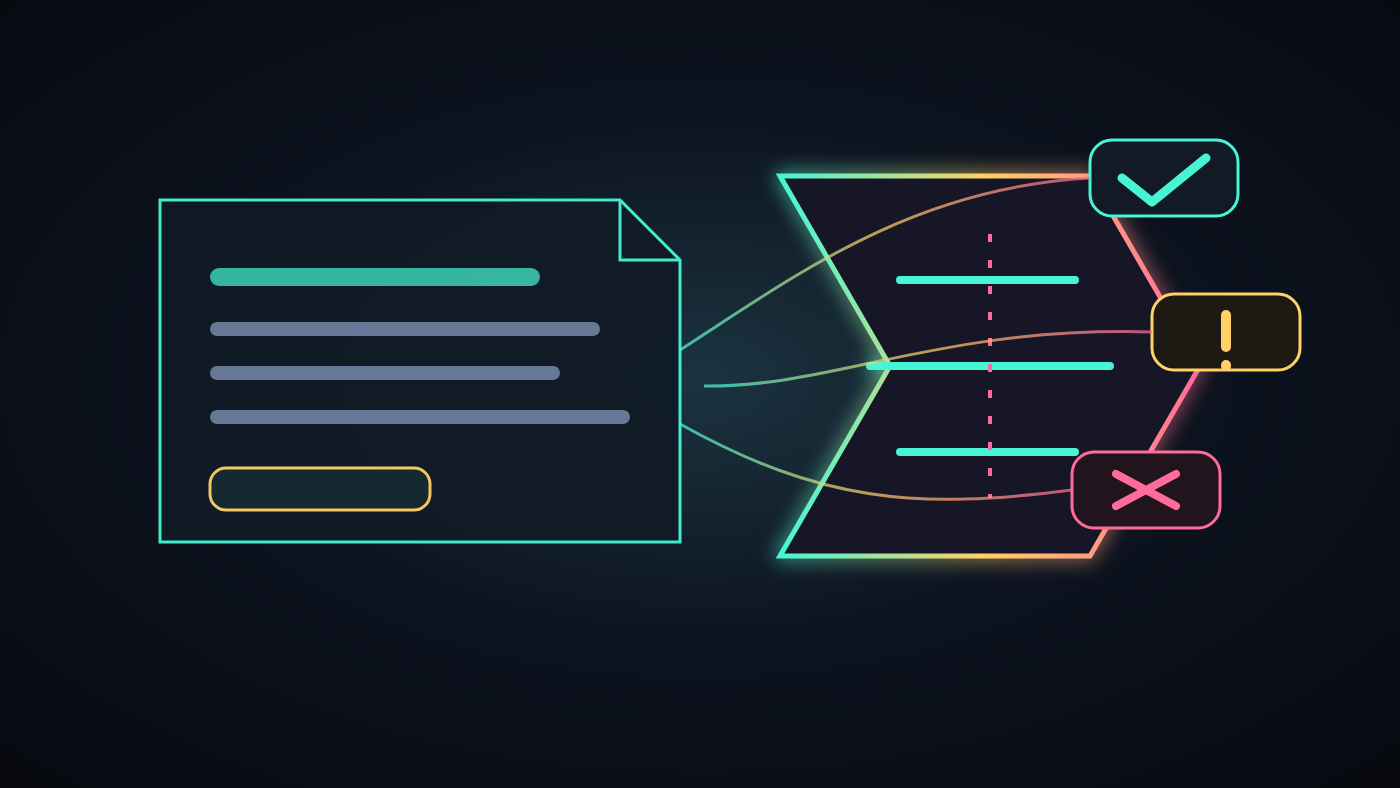
GPT-4 Makes Evaluation Part Of The Product Surface
OpenAI's GPT-4 release shifts attention from model scale alone to evals, system prompts, reliability limits, deployment controls, and API use.
OpenAI's GPT-4 release shifts attention from model scale alone to evals, system prompts, reliability limits, deployment controls, and API use.
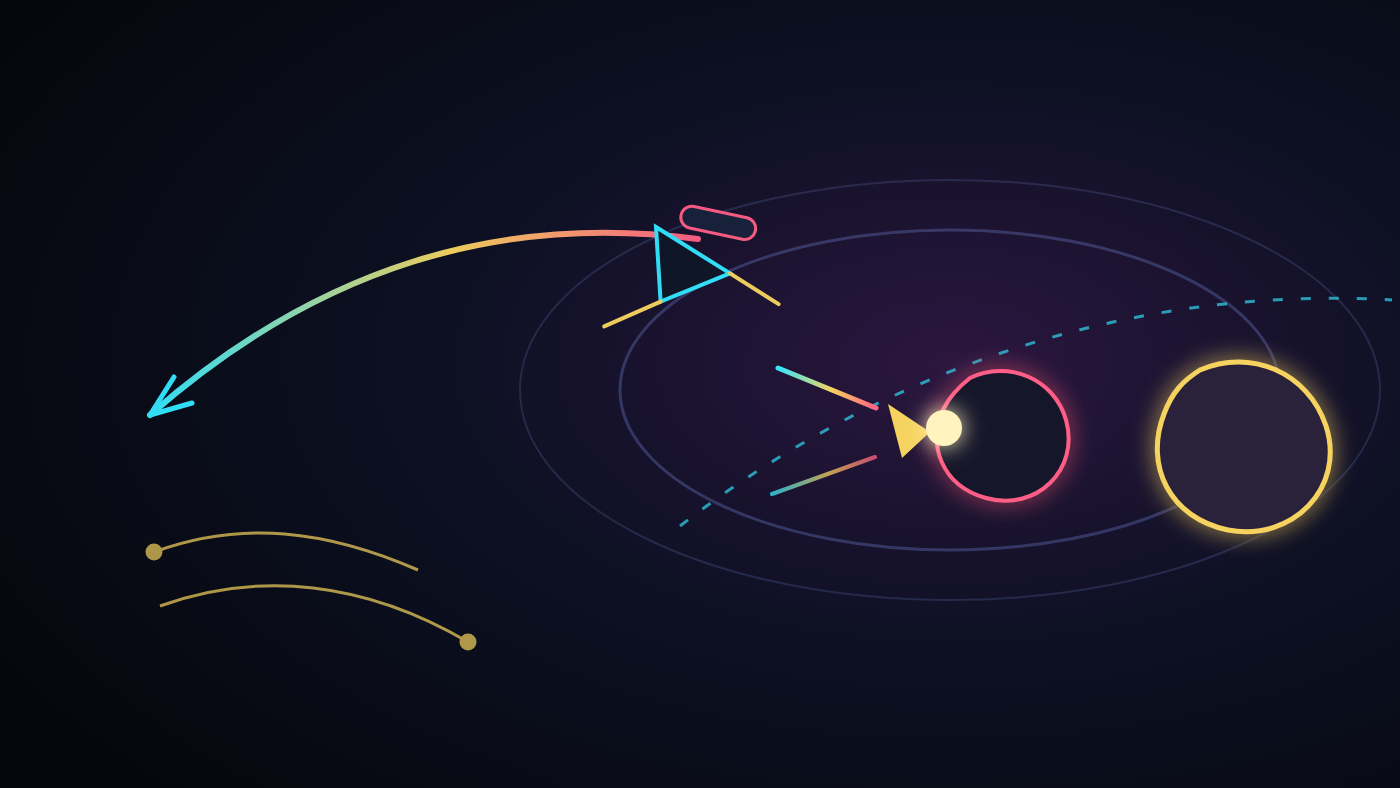
NASA's DART impact tests asteroid deflection as an engineering loop: autonomous targeting, kinetic impact, observation, and orbit measurement.
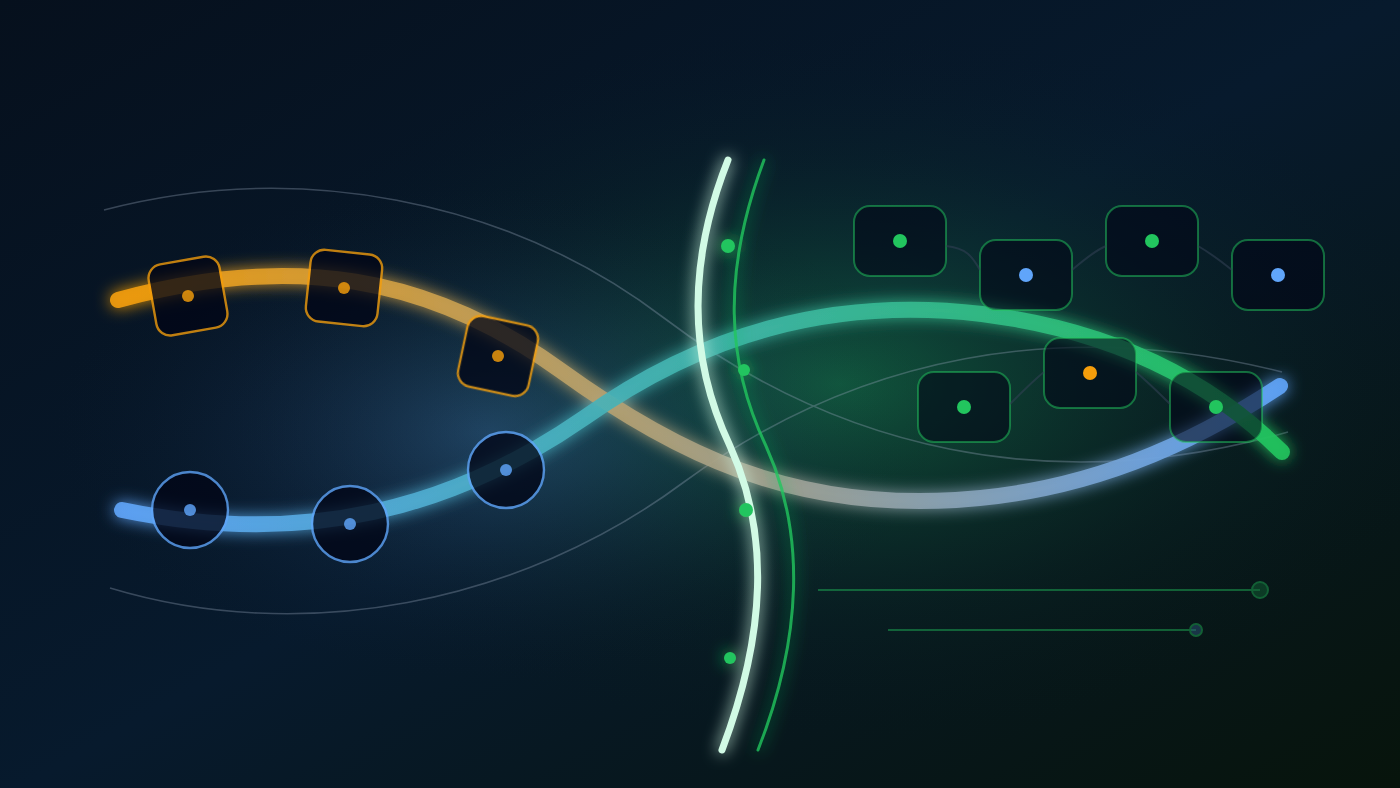
Ethereum's Merge replaces proof-of-work with proof-of-stake while preserving execution history, showing a rare live consensus migration at scale.
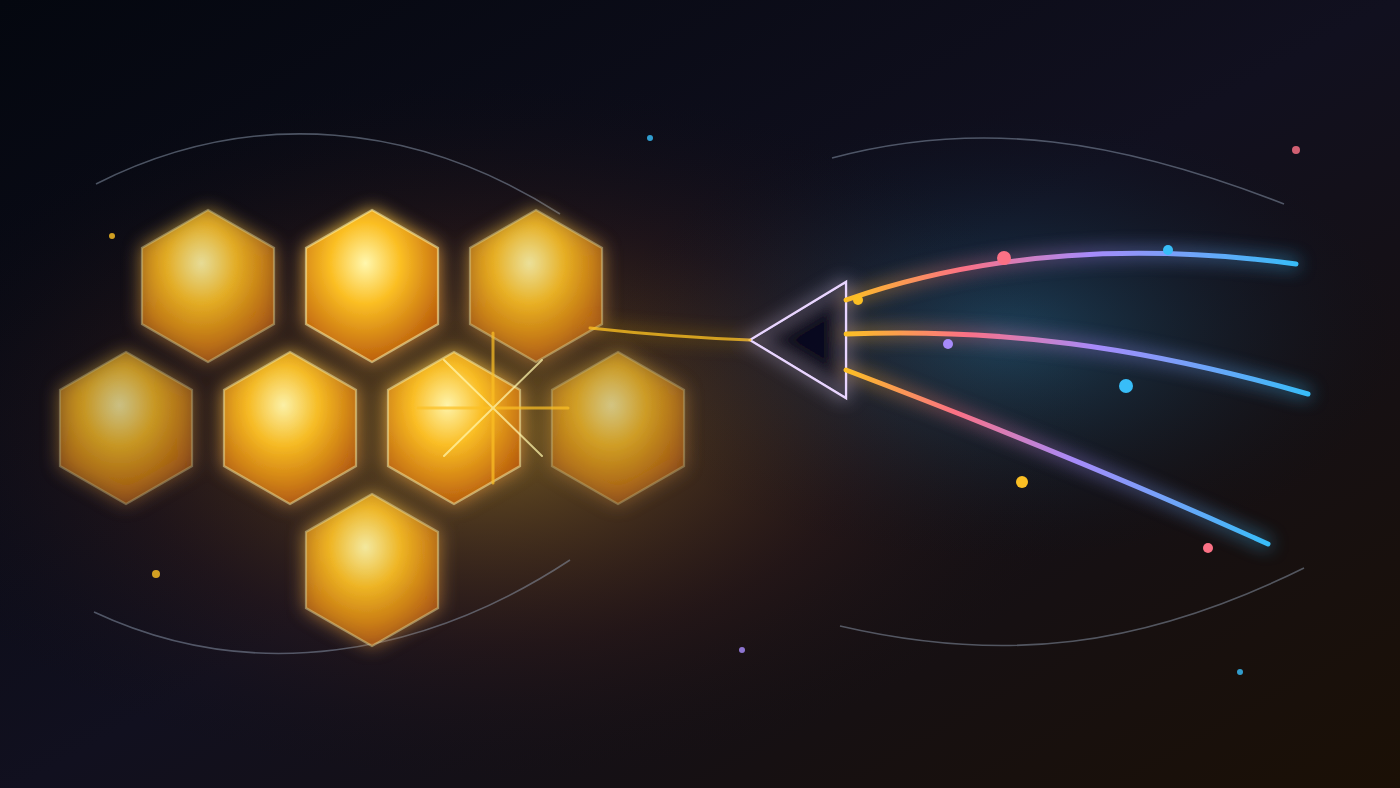
NASA's first Webb images show how infrared instruments, thermal design, and spectroscopy turn a deployed observatory into working science data.
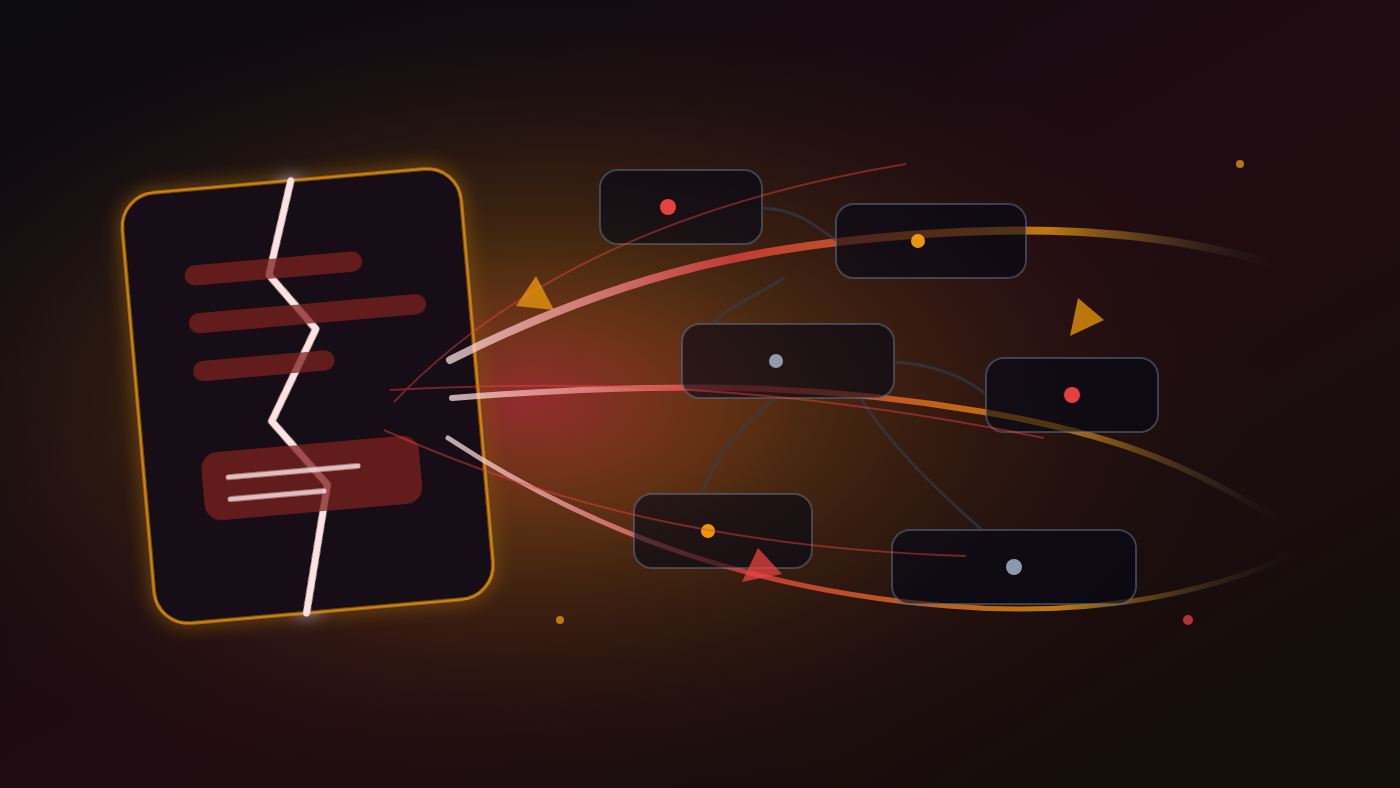
CVE-2021-44228 shows why logging, dependency inventory, patch paths, and runtime exposure matter as much as application code in production systems.
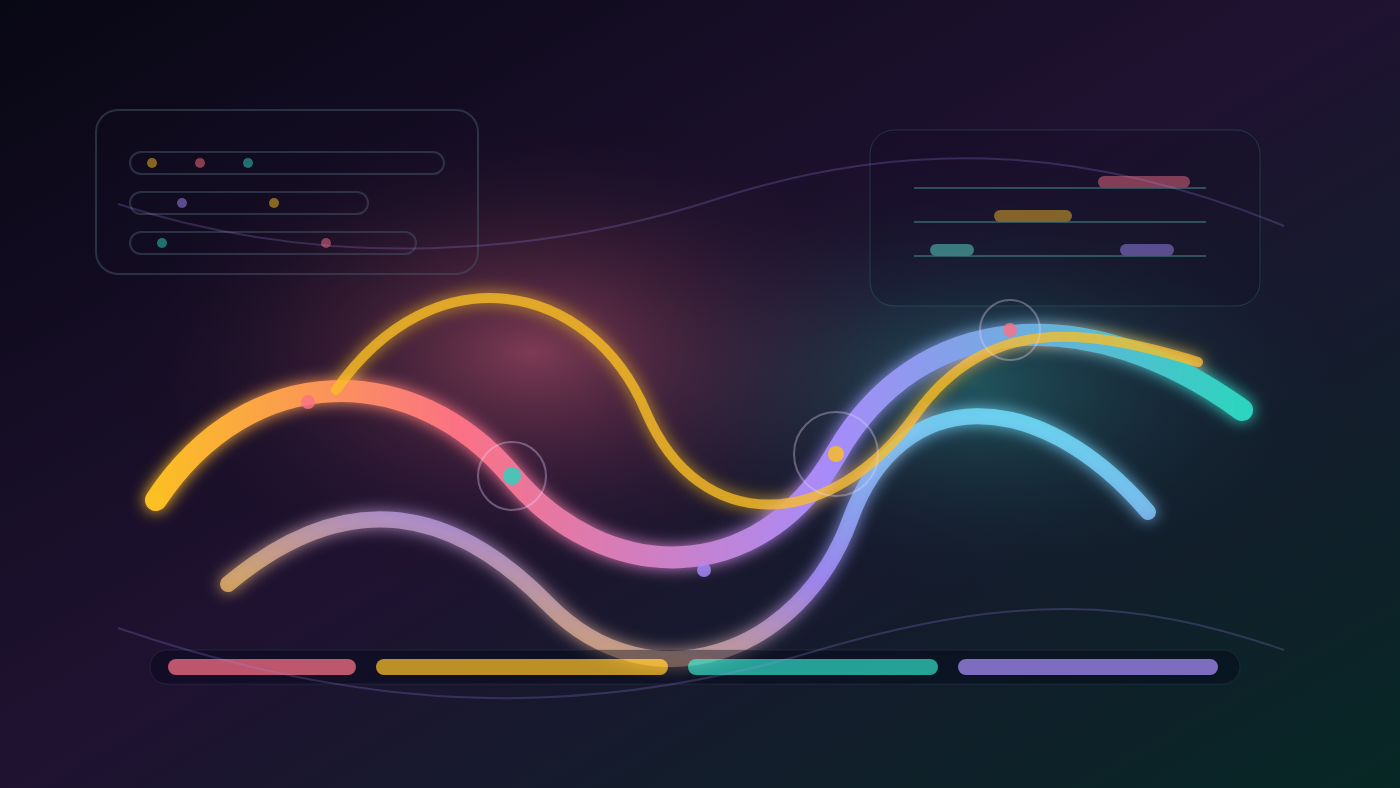
DeepMind's AlphaFold 2 paper and code release turn a striking CASP result into a usable technical system for structural biology research teams.
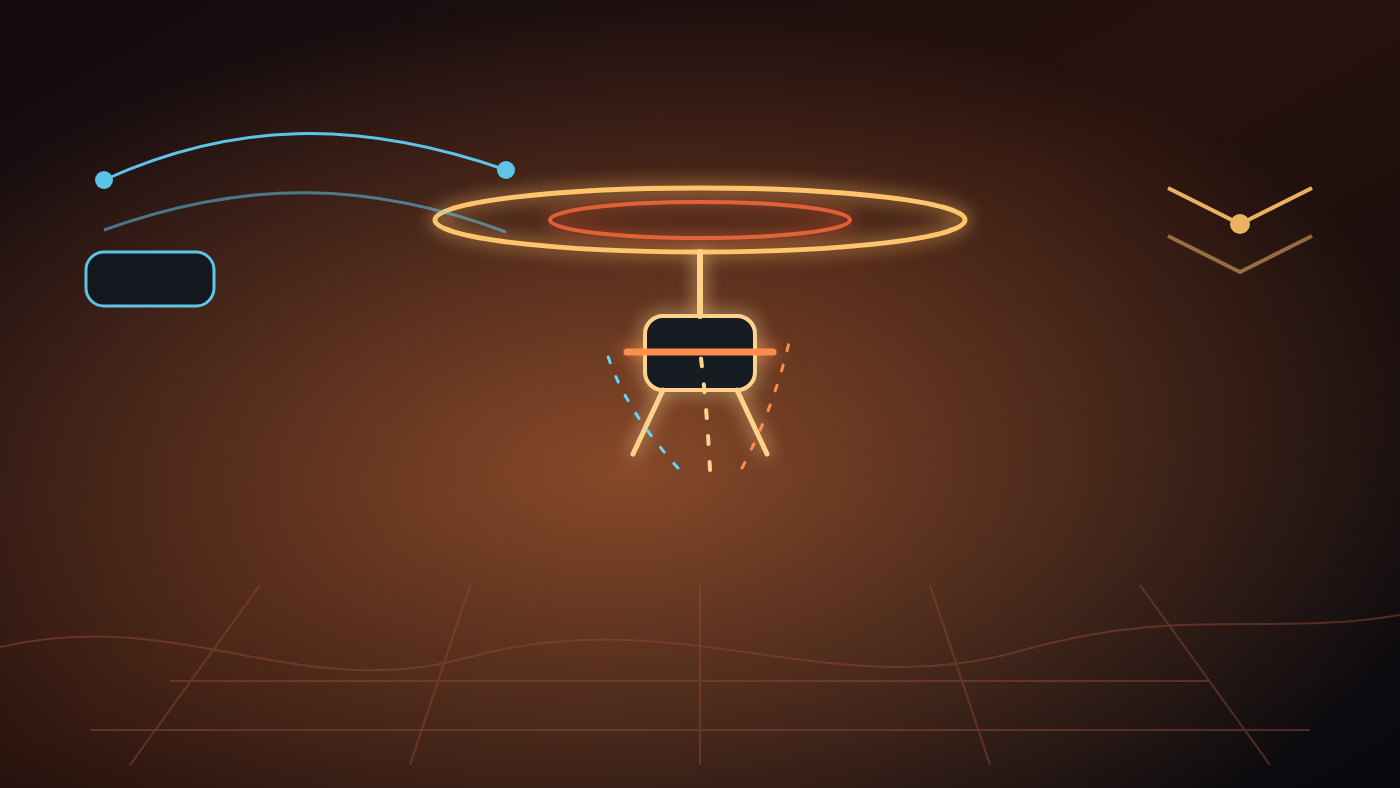
NASA's Ingenuity first flight turns powered flight on Mars into a robotics, autonomy, communications, and systems-engineering milestone on another world.
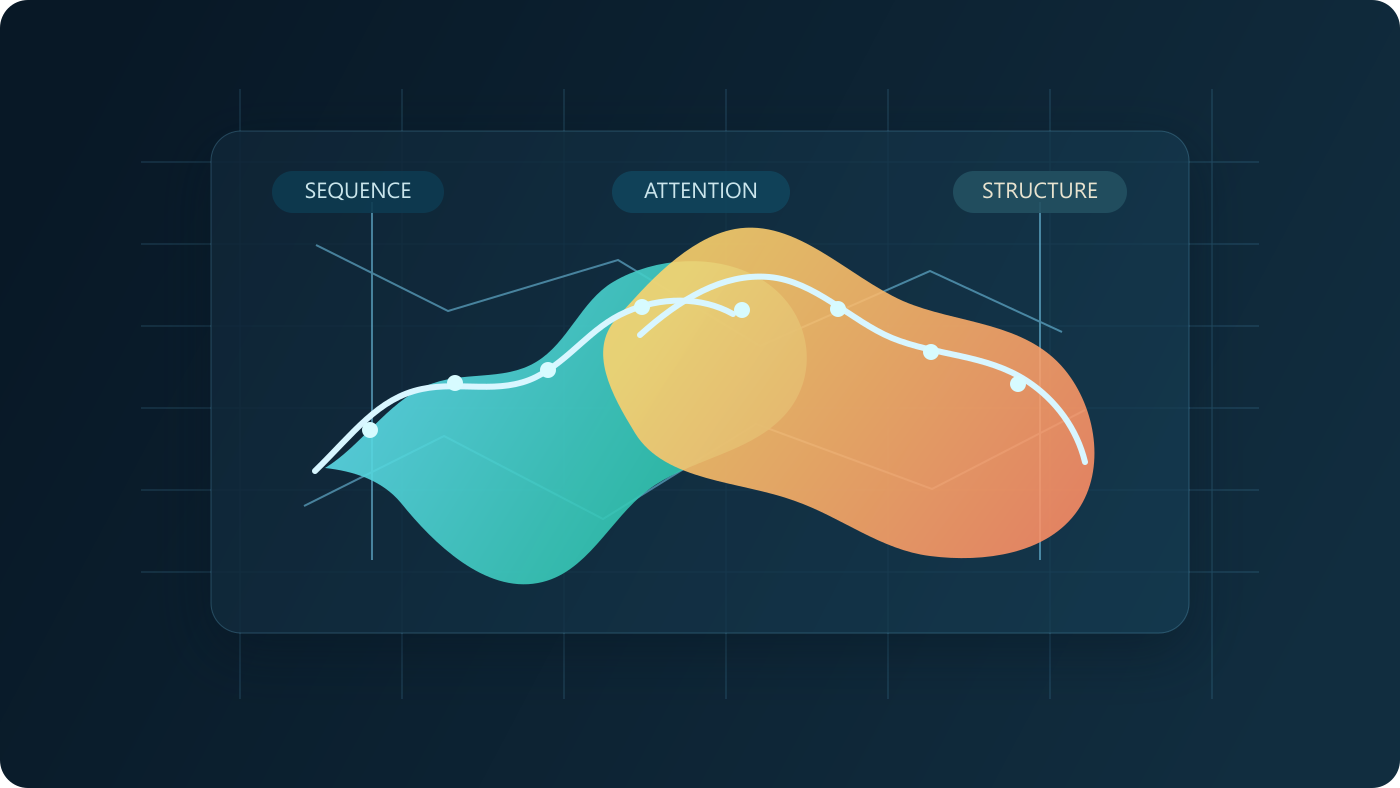
DeepMind's AlphaFold CASP14 result suggests protein structure prediction is becoming a practical computational tool for biology and drug discovery.
The 2020 Chemistry Nobel recognizes CRISPR/Cas9 as a programmable genome-editing tool with broad scientific and engineering implications for labs.
Google's Sycamore result frames quantum advantage as a systems benchmark built from qubits, gates, error rates, sampling, and verification data.